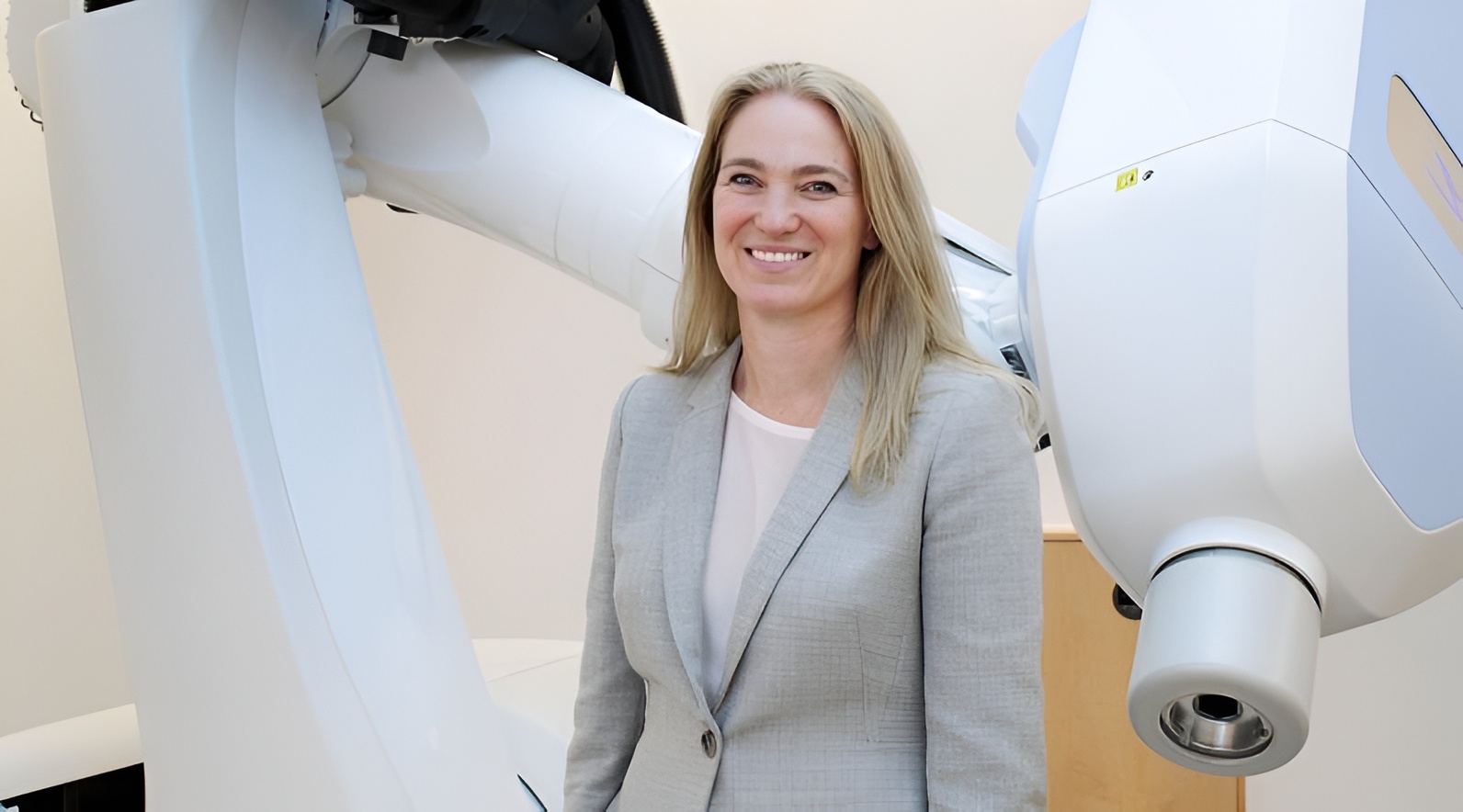
Professional Experience
Dr Taylor has built a reputable clinical career blending direct patient care, academic work, and advanced radiotherapy practice:
- Current Role: Consultant Clinical Oncologist at The Royal Marsden, UK, linked with the Gynaecology Unit
- Clinical Focus: Provides both NHS and private oncology care, specialising in gynaecological malignancies
- Recurrent Disease Handling: Experienced in managing recurrent gynaecological cancers with reirradiation or combined modality therapy
- Leadership & Mentorship: Serves within multidisciplinary teams in the Gynaecology Unit and mentors trainees in oncology practice
Academic Contributions
Dr Taylor is active in teaching, research, and scholarly discourse in oncology:
- Lectures & Conference Talks: Regular speaker on endometrial cancer management and novel radiotherapy approaches
- Research Interests: Advanced radiotherapy (IMRT, stereotactic approaches), image-guided brachytherapy, optimizing treatment for recurrent gynaecological cancer
- Published Work: Contributed to articles on the future of endometrial cancer treatment and on the current landscape in advanced disease
- Educational Role: Involved in training of clinical oncology registrars and multidisciplinary teaching within the Royal Marsden Gynaecology Unit
Areas of Expertise
Dr Taylor’s specialist skills and patient-centric focus include:
- Gynaecological Cancers: Cervical, endometrial, ovarian cancers (primary and recurrent disease)
- Radiotherapy Techniques: IMRT, image-guided brachytherapy, stereotactic radiotherapy, reirradiation strategies
- Combined Modalities: Integration of chemotherapy and radiotherapy in complex or recurrent cases
- Patient Example: For a woman with recurrent cervical cancer, Dr Taylor may plan a targeted reirradiation scheme to limit exposure to surrounding tissues while aiming for tumour control.
Publications and Research
Dr Taylor’s scholarly contributions strengthen her clinical authority:
Among her writings are articles on the evolving treatment landscape for endometrial cancer, exploring both systemic therapy and radiotherapy strategies. She has also authored perspectives on emerging therapies and participated in academic discussions on optimizing radiotherapy for recurrent gynaecological disease.
Her research often emphasizes balancing treatment efficacy with minimizing side effects, especially in patients requiring re-treatment. Her work is accessible via oncology journals and professional platforms.
Patient Care Philosophy
Dr Taylor’s approach to patient care is rooted in empathy, clarity, and evidence-based decision-making:
- Patient Communication: She believes in clear, open dialogue—helping patients understand their options and being active partners in care.
- Empathy & Support: She recognizes the psychological burden of cancer and incorporates supportive care into her practice.
- Tailored Treatment: Strives to design individualized treatment plans, considering prior therapies, patient preferences, and overall health.
- International Patients: While primarily based in the UK, she accommodates patients from abroad, offering consultations aligned with global standards.
- Patient Outcomes: Focuses on maximizing quality of life while achieving disease control, especially in challenging or recurrent cases.
Professional Affiliations
Dr Taylor holds membership and certification in leading medical bodies:
- Member, Royal College of Physicians (MRCP)
- Fellow, Royal College of Radiologists (FRCR)
- Certified Consultant Oncologist in the UK (GMC registration)
- Affiliated with The Royal Marsden Hospital’s Gynaecology Unit and multidisciplinary committees
FAQs
- Is Dr Alexandra Taylor board-certified?
- Yes. She holds consulting credentials in clinical oncology in the UK, and is on the General Medical Council register.
- What types of procedures or treatments does she perform?
- Dr Taylor delivers radiotherapy (IMRT, stereotactic techniques), image-guided brachytherapy, and combined modality therapy (radiotherapy plus chemotherapy).
- Does she treat international patients?
- Yes. While based in the UK, she accepts international referrals and consultation requests in accordance with private care arrangements.
- How long is the typical hospital stay during treatment?
- The duration depends on the treatment modality—many radiotherapy courses are outpatient; more complex regimens or re-treatment may require brief inpatient stays in specialized centres.
- What languages does she speak?
- Her primary language of communication is English; she works within the UK and interacts with a diverse patient population.
- What is her approach to managing recurrent cancer?
- She uses individualized re-treatment plans, employing advanced radiotherapy techniques and careful evaluation of prior therapies to minimize risk and maximize benefit.