Professional Experience
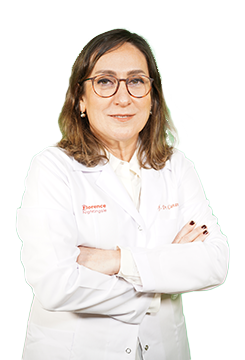
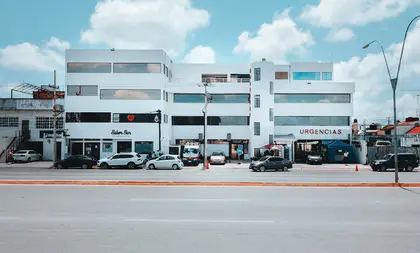
- Current role: Professor of Radiology at Florence Nightingale Hospital (Kadıköy branch) in Istanbul.
- Previous roles include: Radiology Department at Şişli Florence Nightingale Hospital (2006‑2010); international observership at Medical College of Wisconsin (USA) in 2011.
- Provides high‑volume diagnostic imaging practice in a major private hospital network, managing complex imaging cases and supervising radiology teams.
Academic Contributions
- Teaches and mentors radiology residents and fellows within university and hospital‑based programs.
- Lectures and training courses on advanced imaging: thoracic CT, gastrointestinal radiology, low‑dose pediatric imaging.
- Research interests include: advanced thoracic and mediastinal imaging, CT perfusion, virtual bronchoscopy, dose‑reduction strategies in imaging.
- Contributor to training modules and academic curriculum in radiology within hospital settings.
Areas of Expertise
- Thoracic imaging: evaluation of lungs, mediastinum, chest wall (e.g., lung nodules, pulmonary embolism).
- Abdominal and gastrointestinal imaging: small‑bowel disease, enteroclysis, complex GI disorders.
- Pediatric imaging: low‑dose multidetector CT protocols and virtual bronchoscopy for suspected airway foreign bodies in children.
- Advanced imaging technology use: PET/CT, multidetector CT (MDCT), dose‑optimised protocols.
- Patient‑centred imaging support: explaining what a scan will show, why it is needed, and how results guide treatment.
Publications and Research
Prof. Dr. Akman has a strong academic publication record including peer‑reviewed journal articles and book chapters in radiology imaging. Her research covers CT perfusion in mediastinal tumors, low‑dose CT in pediatric airway evaluation, and advanced imaging protocols. These contributions reflect her role as both clinician and researcher, integrating imaging practice with current evidence.
Patient Care Philosophy
Her approach to patient care emphasises:
- Clear communication with patients regarding why imaging is ordered, what to expect, and how findings will assist treatment.
- Empathy — recognising that undergoing imaging scans can be stressful and providing support throughout.
- Education — translating imaging results into understandable terms so that patients can engage in informed decisions.
- International patient‑focus — practising in an internationally‑oriented hospital network and experienced in accommodating non‑Turkish‑speaking patients.
Professional Affiliations
- Member of the Turkish Radiology Society (Türk Radyoloji Derneği).
- Member of the Turkish Thoracic Society (Türk Toraks Derneği).
- Member of the Turkish Respiratory Research Association (Türkiye Solunum Araştırmaları Derneği).
- Member of the European Society of Thoracic Imaging (ESTI).
- Board‑certified Radiologist in Turkey and full Professor in Radiology.
FAQs
- Is Prof. Dr. Canan Akman board‑certified?
- Yes. She holds full professor status in Radiology and practices in a major university‑affiliated hospital network in Turkey.
- What types of imaging does she perform?
- She specialises in advanced diagnostic imaging including CT, PET/CT, virtual bronchoscopy, multidetector CT and focuses on thoracic, abdominal and gastrointestinal radiology.
- Does she treat international patients?
- Yes. She practices within the Florence Nightingale hospital network, which provides services to both local and international patients and is experienced in multilingual support.
- How long is the typical hospital stay for an imaging appointment?
- As a radiologist focusing on diagnostic imaging, the patient’s time is typically limited to the scan and immediate follow‑up—often less than an hour for outpatient imaging. Any extended stay depends on further treatment decisions.
- What languages does she speak?
- While her languages are not explicitly listed, her hospital network supports international patients with English and Turkish communication.
- How can I prepare for my imaging appointment with her?
- Bring any referral form, prior imaging studies, a list of medications, and your medical history. If a contrast or special protocol is required, follow the instructions given by the radiology department.